From embedding digital practice to using data to inform improvement, Shireland Collegiate Academy Trust shared its perspective on some of the key issues shaping education at this year’s Schools and Academies Show.
How can schools make better use of technology and data? And how can they ensure their resources and environments meet the needs of pupils and staff? These questions featured throughout Shireland Collegiate Academy Trust’s contribution to the Schools & Academies Show 2026, held at the NEC Birmingham.
Three members of the Trust team took part in sessions across the two days, which covered digital strategy, school culture professional learning, data and estates management.
Georgina Xuereb, Trust Secondary Lead for Digital Learning and Innovation, considered the relationship between technology, culture and teaching in the context of School Culture and Strategy in the Digital Age. The discussion centred on how technology should be shaped by the needs of teaching and learning, rather than adopted for its own sake.
“What impact and outcome we’re trying to achieve? What impact does that technology claim to make and how do we cut through the noise of what will actually translate into good classroom practice?” she said.
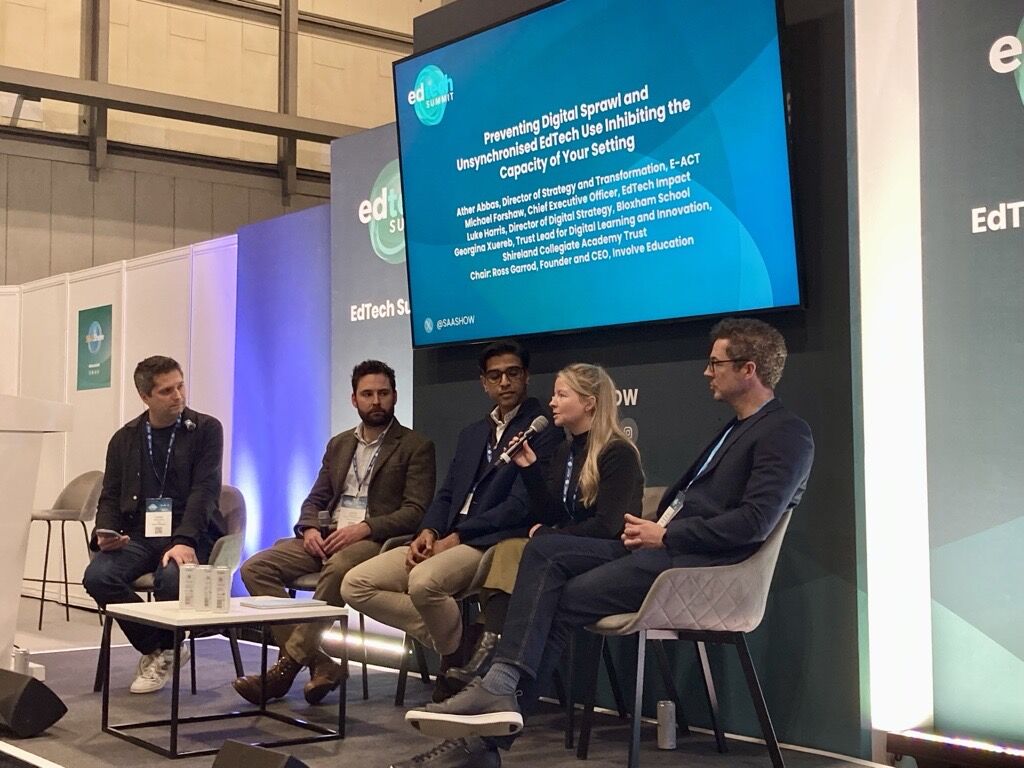
The challenge of putting this into practice was also a focus of Preventing Digital Sprawl and Unsynchronised EdTech Use Inhibiting the Capacity of Your Setting. With schools using an expanding range of digital platforms, the discussion considered how duplication and disconnected systems can add to staff workload and undermine a coherent approach. Georgina emphasised the need to audit the tools already in use and ensure teachers have the support to use them effectively.
The importance of professional learning was another key theme. In Beyond the Rollout: How Professional Learning Turns Strategy into Practice, Georgina highlighted that successful implementation depends on building staff confidence and expertise, with pedagogy guiding the use of technology.
“The use of technology is informed by pedagogy, not by the technology itself,” she explained.
Making better use of information was central to Greater Than the Sum of its Parts: Why Aren’t We Doing More with Data?, where Qamar Riaz, Chief Executive Officer, considered how schools and trusts could better connect the information they hold and turn it into insight that supports improvement.
He highlighted the potential of open-source systems that can be adapted to organisational needs, alongside the discipline required to select, present and validate data.
“Having an open-source system [of data] that we can shape to our own needs can be a game changer,” he said.
Beyond digital strategy, Hasnain Panjwani, Chief Operating Officer, chaired the School Estates Summit panel, What Do You Need to Manage a School Estate Effectively? With representatives from The Boxing Academy, Lift Schools and Plymouth CAST. The discussion considered how digitised estate information can support investment decisions, alongside the importance of developing future estates professionals through apprenticeships.
Panellists also explored the link between the physical environment and educational outcomes, highlighting the need to listen to those who use and maintain school buildings and create safe, sustainable and inspiring spaces.
Across the five sessions, a consistent message emerged: effective improvement depends not simply on the systems and resources schools have, but on how well they are used and the people supported to make them work. The event gave the Trust an opportunity to share its experience while learning from perspectives across the education sector.