Shireland Collegiate Academy Trust has launched its School Improvement Strategy 2026–29, setting out a clear and collaborative approach to raising educational standards, strengthening inclusion and developing leadership across its academies.
At its heart is a shared commitment: Every child succeeds. Every leader grows. Every school improves.
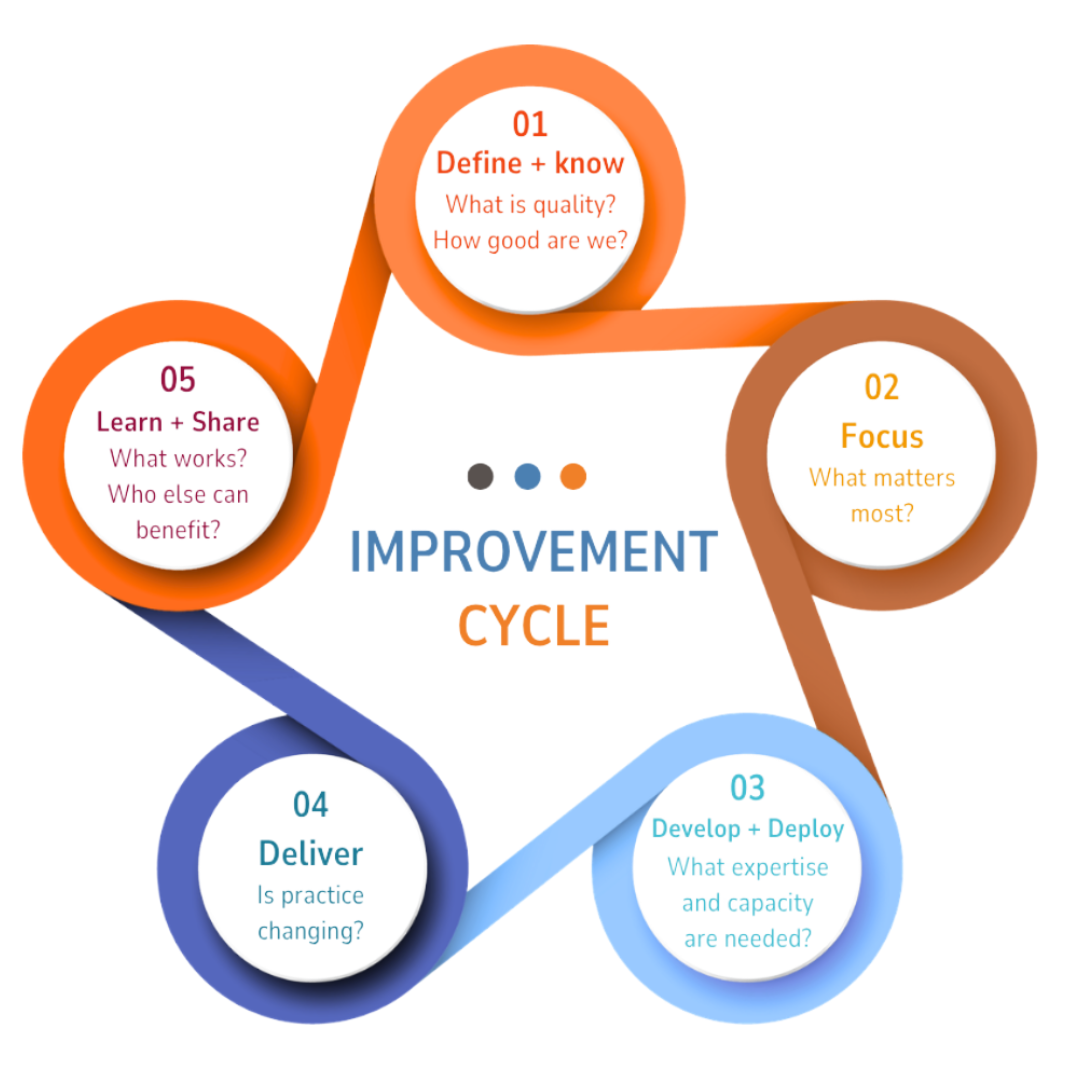
The strategy establishes a consistent approach to school improvement, bringing together a five-stage improvement cycle and the S-CAT Quality Mark. Together, these provide a framework for understanding each academy’s strengths, identifying areas for development and ensuring that the right support and expertise are available where they can make the greatest difference.
The improvement cycle encourages leaders to establish what high-quality education looks like, evaluate current practice, focus on the priorities that matter most, implement improvements and share what works. It is designed to make school improvement a continuous, evidence-led process, with a clear focus on the experiences and outcomes of pupils.
A shared understanding of quality
Central to this approach is the S-CAT Quality Mark, which sets out what high quality looks like across ten areas of school life, organised under three themes: Safe and Included, Learn and Achieve, and Thrive and Sustain.
These cover everything from safeguarding, inclusion, attendance and behaviour through to curriculum, teaching, assessment, achievement, personal development, leadership and organisational effectiveness.
The Quality Mark goes beyond headline performance measures to consider what pupils experience every day, how consistently effective practice is embedded and whether all groups of pupils are benefiting. It provides a common language for school leaders to evaluate their provision, celebrate strengths and identify opportunities for further improvement.
Importantly, it is also a developmental tool, helping the Trust and its academies make informed decisions about priorities, professional development and the support needed to achieve lasting improvement.
Four priorities for 2026/27
During the first year of the strategy, the Trust will concentrate on four priorities:
- Knowing our schools: Developing an accurate, evidence-based understanding of each academy’s strengths, needs and opportunities for improvement.
- Strengthening inclusive teaching: Ensuring all pupils, including those with additional needs or facing barriers to learning, can access an ambitious, high-quality education.
- Improving attendance, behaviour and belonging: Creating the conditions in which pupils feel safe, included and ready to learn.
- Building improvement capacity: Developing leadership, professional expertise and opportunities for colleagues to learn from one another.
Qamar Riaz, Chief Executive Officer of Shireland Collegiate Academy Trust, said: “I know from leading schools that improvement depends on the people doing the work every day. Colleagues need a clear sense of what matters, the time and support to improve their practice, and opportunities to learn from one another.
“Our job as a Trust is to bring those conditions together. We should be making it easier for leaders and teachers to do their best work, and ensuring that the strengths within one school can make a difference well beyond it.
“For me, the success of this strategy will be seen in children’s experience: whether they are learning well, feel they belong and have the opportunities they need to thrive. That is what we will keep coming back to.”
Working together to improve
A key principle of the strategy is that improvement should reflect each academy’s circumstances, strengths and capacity to sustain change. Support will be proportionate to need, ranging from professional networks, coaching and shared expertise to more focused intervention where additional capacity is required.
Equally, every academy has something to contribute. By identifying and sharing effective practice, connecting colleagues and developing leadership across the organisation, the Trust aims to ensure that successful approaches can benefit pupils and staff beyond the schools in which they originate.
The strategy represents a shared commitment to continuous improvement, underpinned by clear expectations, professional collaboration and a determination to make a positive difference to every child’s education.
Explore the School Improvement Strategy 2026–29: https://shirelandcat.org.uk/our-academies/school-improvement/